Keep the human in the loop
As technology moves faster, it becomes even more important to design for the user, to cement the comfort and trust that make new tools feel usable.
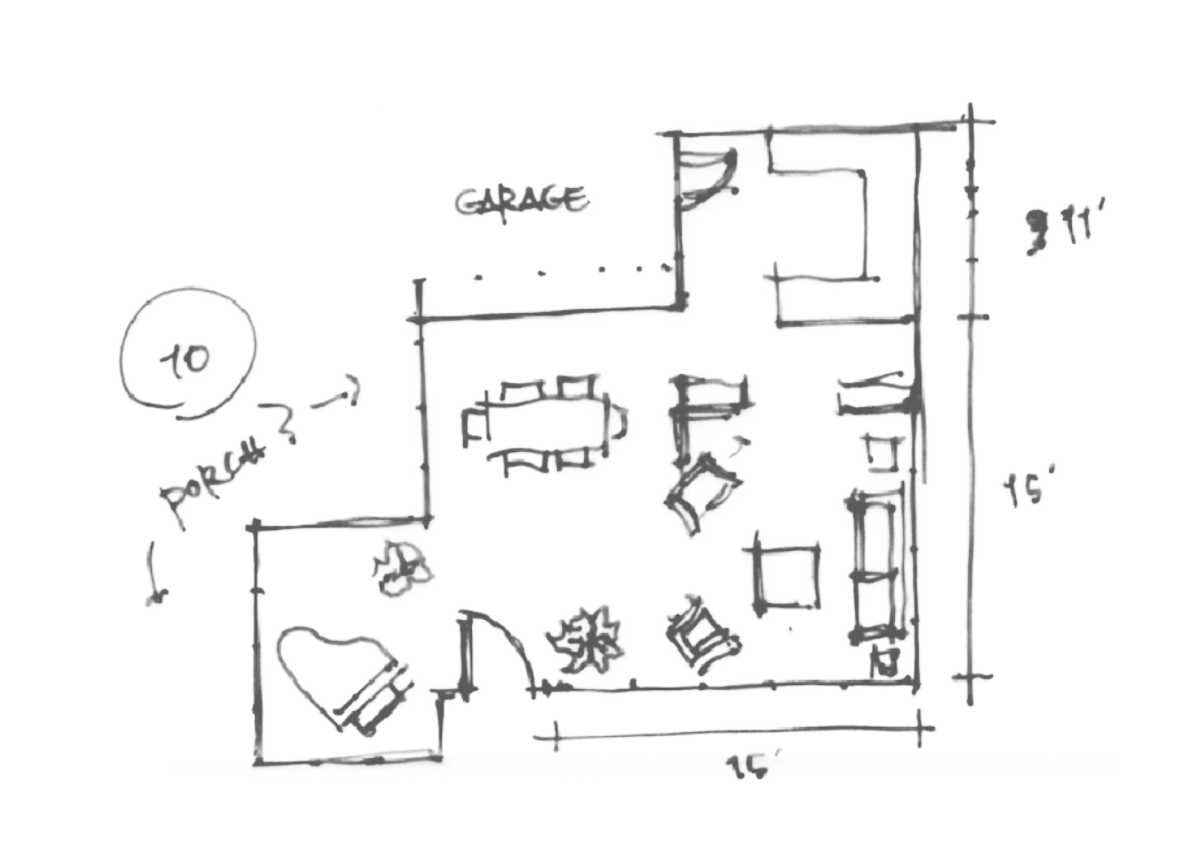
My design approach is rooted in my architectural background. Before a single wall goes up, you read the plan: what the space is, who moves through it, and what it is already asking to be. I look at a product as a structure with a footprint, a flow, and a purpose.
As technology moves faster, it becomes even more important to design for the user, to cement the comfort and trust that make new tools feel usable.
Understanding customer needs deeply, especially around trust, means designing the right experience the first time.
Foundational building blocks that plug together let experiences link easily, ship quickly, and scale to new use cases.
Finding what is already connected, or easy to connect, across channels is how disconnected backends become one coherent journey.
Simplifying the process as well as the tool is what lets teams scale fast and do more with less.
The big-picture puzzle and the tiny interaction that makes it finally click are the same job — I keep moving between the two until both feel right.